Buying a house is expensive enough without an unpleasant surprise waiting in the walls or under the ground.
A pre-purchase plumbing inspection is one of the cheapest ways to avoid that, and it’s one of the most skipped. A pre-purchase plumbing inspection typically costs a few hundred dollars. In our experience, that’s money well spent when you weigh it against what a hidden problem can cost once you own the place — repairs running into the thousands, sometimes tens of thousands, and days of disruption while it’s sorted.
What we’re actually looking for
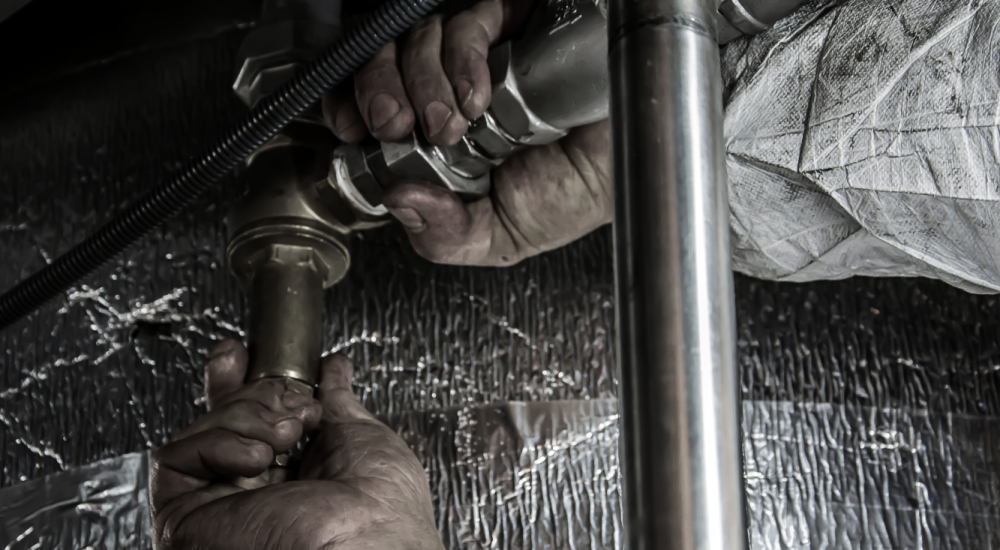
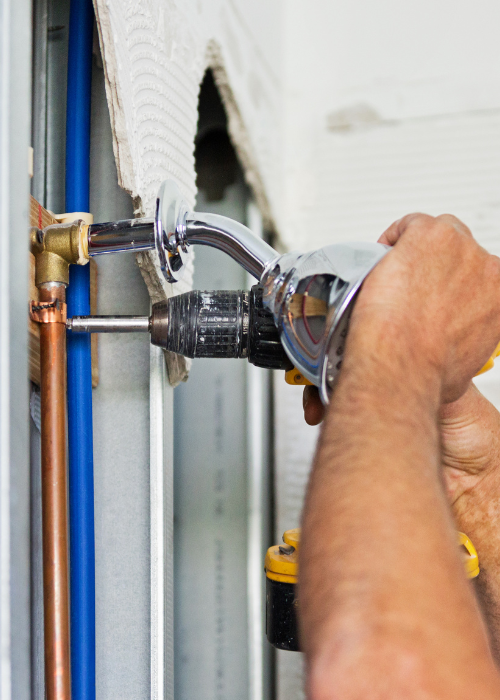
A pre-purchase inspection isn’t just a walk-through. As part of the standard check, we’re looking at the visible plumbing, taps, fittings, and appliances like dishwashers, and we pay close attention to the hot water system, since it’s one of the more expensive items in the house to replace. We’re also checking for telltale signs of past problems, like old leaks or blockages that were patched up rather than properly fixed. If your hot water system is starting to show its age, we’ve written a separate guide on repairing versus replacing a hot water system. But the bigger value is in what most buyers never think to check: the condition of the pipes they can’t see.
That’s especially relevant here on the Fraser Coast, where a lot of our older homes in suburbs like Scarness, Torquay, Pialba and Urangan still have their original pipework. Water pipes made of galvanised steel corrode from the inside, restricting flow and affecting water quality. Drainage pipes in these older homes are often earthenware, sections of clay pipe joined with a rubber seal, and once that seal breaks down, tree roots find their way in.
None of that shows up on a standard walk-through. It shows up on a CCTV drain inspection, a pressure and flow test and also visual inspection by the experienced eye.
Why a CCTV inspection matters more than people think
Most buyers don’t ask for one, because it’s one more cost on an already expensive process. But there are tell-tale signs of previous plumbing trouble that take a trained eye to spot, and if we see them on site, we’ll flag them and explain what we’re seeing before recommending anything further.
Our general advice: get the building and pest inspection done first. If it flags high moisture or a defect in a particular bathroom or area, that tells us exactly where a targeted camera or thermal inspection is worth focusing on, rather than paying to check the whole property blind.
A job that shows exactly why this matters
We were called out to a new-to-town family who’d just bought a place in Point Vernon, with what sounded like a routine blocked toilet. Based on the usual questions we ask over the phone, we expected about ninety minutes of work.
We were there for two days.
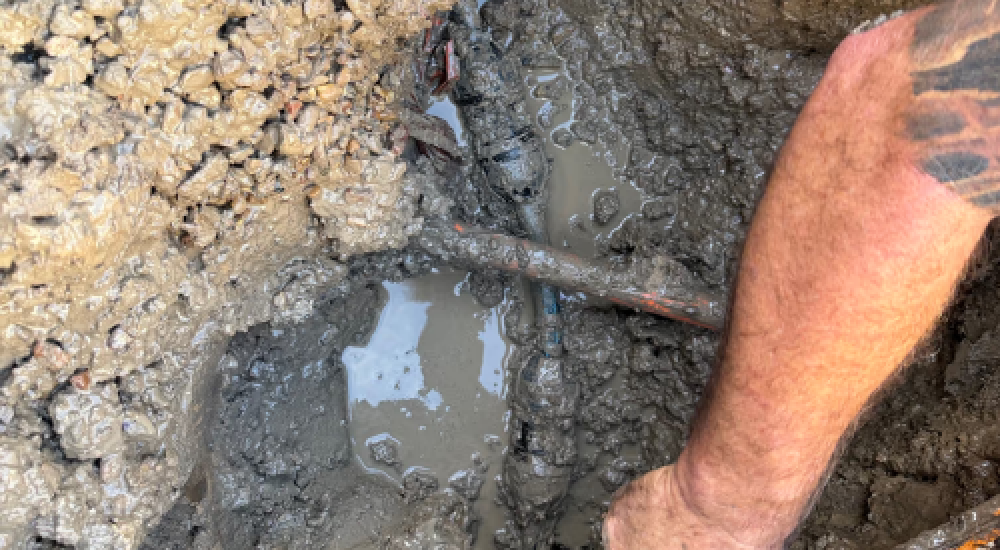
The sewer pipe was completely packed with tree roots — the kind of problem that had clearly been building for years, invisible from ground level. It’s exactly the sort of thing a pre-purchase camera inspection is designed to catch before you own it.
The bottom line
A pre-purchase plumbing inspection won’t catch everything, and there’s no way to guarantee a property is problem-free. But it puts eyes — and a camera — on the parts of a house most buyers, agents, and even building inspectors don’t check. For the cost involved, it’s one of the more sensible bits of due diligence you can do before signing.
If you’re buying on the Fraser Coast and want a plumbing inspection as part of your due diligence, call Guaranteed Plumbing on 1300 937 477.