
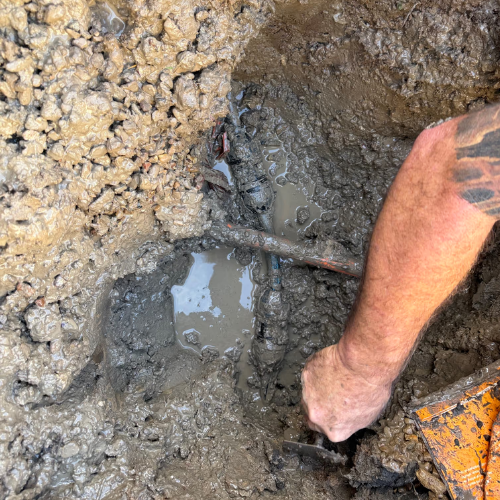
When people call us about a leak, most are expecting the same story: dig up the yard, cut into the concrete, and pay for it. Sometimes that really is what’s needed. But a good chunk of the time, it isn’t — and figuring out which situation you’re actually in is most of the job.
Here are three real leaks we’ve handled recently on the Fraser Coast, and why we approached each one differently.
The leak that wasn’t where anyone thought it was
This job started with a letter from council. The landlord had received a notice about excess water usage at one of his rental properties, and given there’d been underground leaks on the property before, he was bracing for another big concrete job.
Before we even think about specialised equipment, our standard process is to do a full internal plumbing inspection first. It’s a simple step, but it’s the one that gets skipped most often — by DIY attempts, and sometimes by other plumbers keen to get straight to the expensive part.
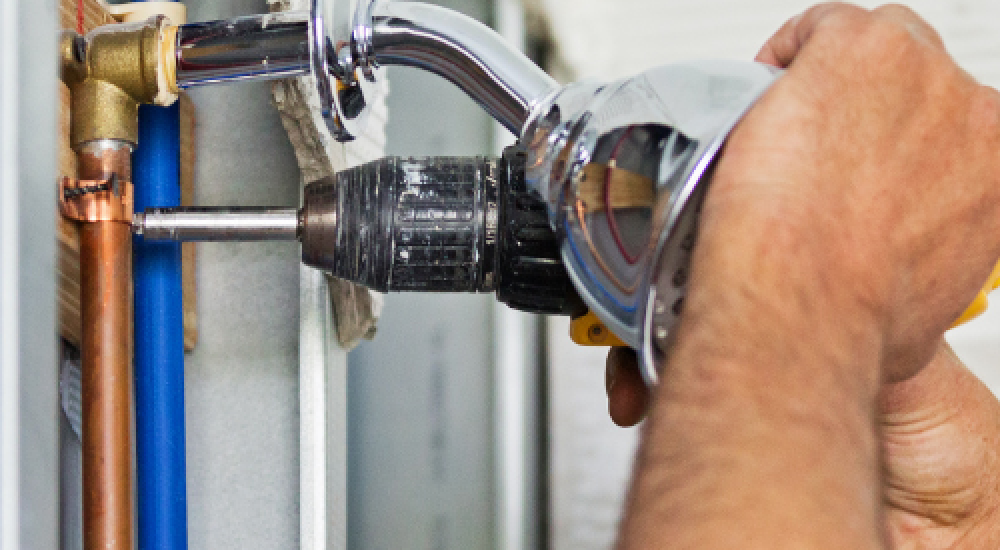
In this case, that inspection turned up the answer inside the house. The bathroom tap washers had deteriorated, and because there was a hose connected to the bath outlet, the water was running straight down into the drain — completely out of sight. No pooling, no wet patch, nothing to notice unless you knew to look.
We always ask upfront whether the customer’s aware of any internal issues. This one said no, genuinely not realising what was going on behind the wall. It’s a good reminder that a “big” water bill doesn’t always mean a big job. This one was resolved with a straightforward washer replacement.
When digging up the concrete isn’t the smart move
The second job was the opposite scenario — a genuinely large leak, with a lot of concrete at the back of the property standing between us and the answer.
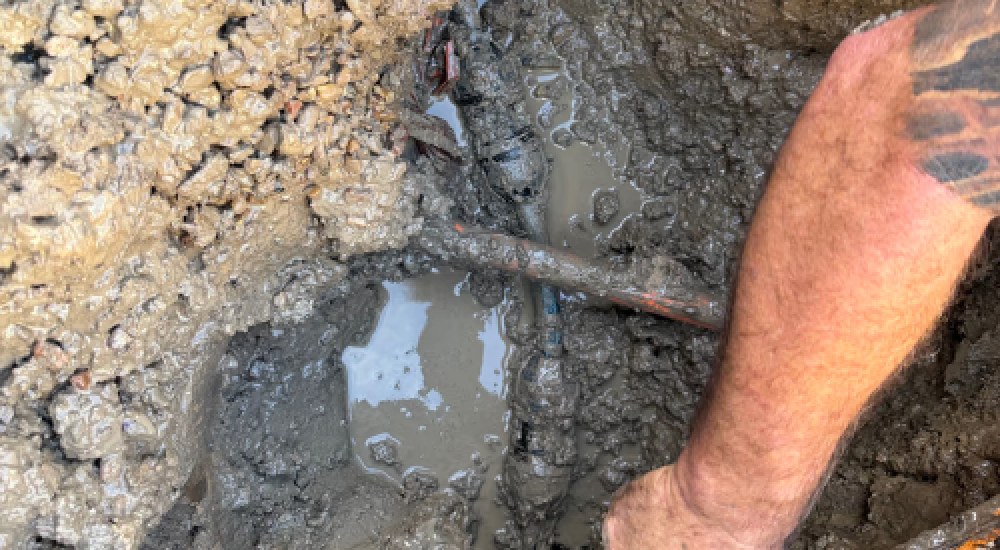
We used specialised leak detection equipment to trace the water pipe’s path and confirmed it ran underneath the concrete for a fair distance. The homeowner wasn’t keen on cutting into it — understandably, given the cost and the mess.
So instead of chasing the leak metre by metre under the slab, we did a pressure test, confirmed where the problem sat, and proposed a different fix altogether: rerunning the pipework above ground and bypassing the leaking section completely, rather than repairing it in place.
This is worth explaining, because it’s not the obvious choice. Locating and repairing old pipe under concrete means finding it, cutting in, completing the repair, then reinstating the concrete — and there’s a real chance that six months later, a different section of the same ageing pipe fails nearby. Fixing one weak spot doesn’t mean the rest of the run is sound.
By running a new bypass above ground along the brickwork, the homeowner ended up with everything visible and accessible going forward. If there’s ever an issue again, it’s not buried under a garden bed or a slab — it’s right there. Sometimes the better long-term outcome isn’t the repair that looks the most “complete,” it’s the one that stops you from having the same problem again.
The leak nobody could see — and how to actually check your own meter
The third job was a smaller leak, around 15 litres an hour, on a property with a fair bit of DIY plumbing history. There was no wet patch, no green grass, nothing visible anywhere in the yard to point us in the right direction.
This is where specialised equipment earns its keep. Using gas tracing and pressure testing, we located multiple separate leaks underground — including an old rainwater pump with failing fittings. None of it would have been found by digging based on guesswork.
While we were on site, it was also a good chance to show the homeowner something most people never get taught: how to actually read a digital water meter.
If you’ve got one of the newer digital meters, you’ve probably tried to make sense of the numbers cycling across the display and given up. Here’s the trick — within the meter’s display, there’s a section that, every couple of minutes, will show a number followed by the letter **F**. That reading is your current flow rate in litres per hour. If your taps are all off and that number isn’t sitting at zero, water is going somewhere it shouldn’t.
It sounds like a small thing, but it’s often the first real clue a homeowner has that something’s wrong and shows up well before a water bill confirms it.
The pattern across all three
Different leaks, different solutions, but the same approach underneath: a proper inspection before anything else, honest advice about what’s actually worth spending money on, and a solution built around what happens in five years — not just what fixes the immediate problem.
Sometimes that means a $20 washer. Sometimes it means bypassing a section of pipe entirely rather than chasing a repair that might not hold. And sometimes it just means teaching you what your own water meter is trying to tell you.
If you’ve noticed a water bill that doesn’t add up, or a leak you can’t explain, get in touch — we’ll always tell you honestly what we think is actually going on before we start any work.